
What inspectors look for when selling is something many homeowners don’t think about until a buyer’s report lands on the table. By that stage, the property is listed. An offer may already be on the line. Emotions involved. Timelines matter.
Understanding what inspectors focus on before that point gives sellers far more control. This isn’t about panic. It’s about perspective.
In our Previous guide on what to do before selling, we talked about understanding the overall process. Now, let’s go a layer deeper and look at what buyers and inspectors actually pay attention to.
Why inspectors matter during a sale
When a property goes under contract in Queensland, buyers almost always arrange a building and pest inspection as part of their due diligence, along with other contract conditions that may be included in the sale process. It’s standard practice.
These inspections are designed to:
- Identify structural concerns
- Highlight safety risks
- Flag moisture or termite activity
- Assess overall condition
For sellers, the inspection can feel confronting. However, it shouldn’t be surprising.
Most findings are not catastrophic. They are observations. Condition note. Maintenance items.
But understanding them in advance changes how confidently you approach negotiations.
The structural elements inspectors examine
One of the first areas inspectors assess is structure.
This includes:
- Foundations and Footings
- Subfloor areas
- Walls and framing
- Roofing structure
- Signs of movement or cracking
On the Sunshine Coast and in Gympie, soil movement and drainage patterns can var significantly. Acreage properties in particular may experience different setting behaviour compared to standard suburban blocks.
Inspectors aren’t looking for perfection. They’re assessing stability and risk.
Small hairline cracks are common.
Significant movement is not.
Knowing the difference matters.
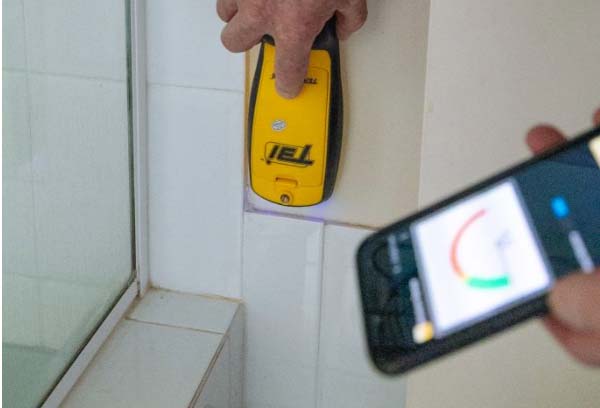
Moisture, drainage and water issues
Water is one of the biggest contributors to long-term building damage.
Inspectors routinely check:
- Roof leaks
- Gutter overflow patterns
- Downpipe discharge points
- Bathroom waterproofing
- Subfloor ventilation
- Signs of rising damp
Coastal and hinterland properties often face higher humidity levels. In Gympie and surrounding rural areas, drainage on larger blocks becomes a key consideration.
Moisture doesn’t always mean major repair work.
But unaddressed moisture can influence buyer confidence.
Pest and termite activity
In Queensland, pest inspections are rarely optional.
Termites are active across both the Sunshine Coast and Gympie regions. This doesn’t mean every home has an issue.
It means inspectors look carefully.
They assess:
- Timber framing
- Subfloor areas
- Fencing and external structures
- Garden beds against walls
- Previous termite treatment evidence
Sometimes they find active issues.
Often they find historical damage.
Occasionally they find nothing at all.
Understanding that termite checks are routine removes unnecessary anxiety.
Safety and compliance observations
Inspectors also note safety-related items.
These may include:
- Loose handrails
- Non-compliant balustrades
- Electrical safety concerns
- Trip hazards
- Asbestos in older homes
These observations don’t always kill a deal. But they can trigger negotiation. In many cases, small fixes completed before listing prevent awkward conversations later.
Maintenance versus major defects
This is where many sellers feel overwhelmed.
Inspection reports often contain a long list of notes. However, not every note is a serious defect. There’s a big difference between:
- A minor maintenance item
- A moderate repair
- A major structural
Buyers sometimes react strongly to the volume of comments, not the severity. When sellers understand what inspectors look for when inspecting, they can distinguish routine wear and tear from genuine issues.
That clarity changes the tone of discussions dramatically. Many sellers find it helpful to review common inspection questions to understand why certain items show up in reports.
Why older homes attract more comments
Age matters.
Homes built decades ago were constructed under different standards. Inspectors are required to assess them against current safety expectations, even if the property was compliant when built.
This often results in:
- Outdated wiring notes
- Older waterproofing concerns
- Insulation differences
- Structural materials no longer used
This doesn’t mean the home is unsafe. It means context matters.
Understanding that older homes naturally generate more commentary helps sellers stay grounded.

Location-specific considerations
Location influences inspection findings more than many people expect.
For example:
- Request repairs
- Ask for a price adjustment
- Seek specialist quotes
- In rare cases, withdraw
Most negotiations are manageable. The biggest tension comes from surprise.
When sellers understand what inspectors look for when selling, those surprises are reduced significantly. This doesn’t mean arranging your own inspection is mandatory, It means awareness shifts power.
Preparing without overreacting
There is no need to renovate your entire property before selling.
However, it helps to:
- Fix obvious maintenance issues
- Address active leaks
- Ensure drainage flows away from the home
- Repair visible safety hazards
- Clear subfloor and roof access areas
Some sellers also choose to organise building and pest inspection before listing so they understand their property’s condition before buyers begin arranging their own checks.
Small actions create smoother inspections. Smoother inspections create calmer negotiations. Calmer negotiations protect your price.
Moving into the next stage
Now that you understand what inspectors look for when selling, the next logical question becomes – should sellers arrange their own inspection before listing?
In our next article, we’ll explore the pros and cons of organising a pre-sale building and pest inspection and when it makes sense in the Queensland market.
For now, clarity is the goal. And clarity creates confidence